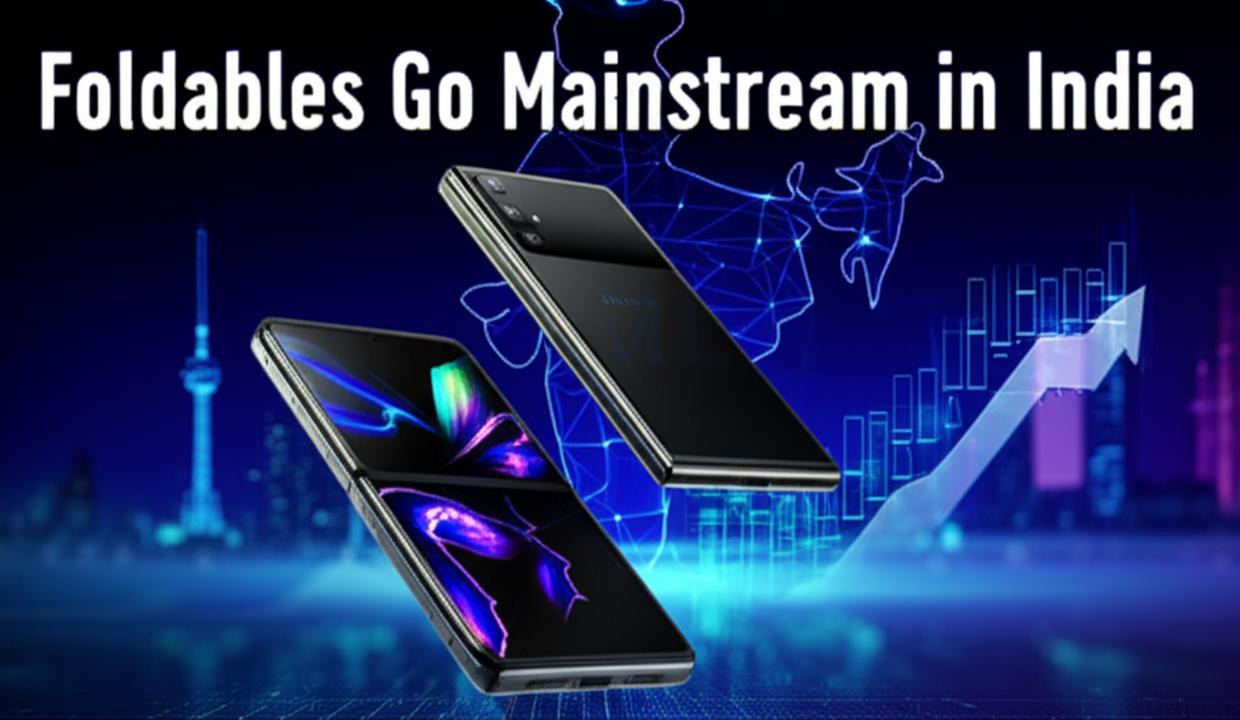
The Indian gadget landscape is witnessing a fascinating transformation. Once a futuristic concept, foldable phones are steadily making their mark, moving from exclusive luxury items to a more discernible presence in the hands of tech-savvy consumers. This shift signifies a crucial evolution in India gadget trends, challenging conventional smartphone designs and user experiences. The journey of foldable phones India towards becoming a mainstream choice is an exciting narrative of innovation, market dynamics, and evolving consumer preferences.
This article dives deep into how these innovative devices are carving out their niche. We will explore the factors driving their adoption, the challenges they face, and what the future holds for the foldable phone market in India. From cutting-edge technology to competitive strategies, understand why these devices are more than just a passing fad and are increasingly becoming a part of India’s mobile future. Join us as we uncover the trajectory of mainstream foldable phones in one of the world’s most dynamic markets.
Main Highlights: How Foldable Phones Are Becoming Mainstream in India’s Gadget Market
The Indian foldable phone segment, while still niche, is experiencing significant growth. Approximately 1 million foldables were sold in India in 2024, representing a small yet impactful fraction of total smartphone sales. Projections for 2025 estimate around 800,000 units locally, indicating a steady, albeit premium, adoption rate.
Samsung remains the dominant force, holding a substantial 79% market share with its popular Galaxy Z Fold and Flip series. However, competition is heating up, with brands like Vivo, Motorola, OnePlus, Oppo, Xiaomi, and TECNO actively expanding their portfolios and targeting diverse consumer segments.
Consumers are drawn to foldables for their versatile, larger displays, which significantly enhance multitasking, media consumption, and productivity. The rise of robust 5G networks and increasing demand for rich content further fuels this appeal. Despite high price points, the aspiration to upgrade from mid-range devices (priced around ₹30,000-₹50,000) is a key driver for adoption, pushing these devices towards a more significant market presence.
Performance and Key Features
Foldable phones are not just about a unique form factor; they bring a suite of performance enhancements. The larger internal screens, often approaching tablet dimensions, offer an unparalleled canvas for productivity apps, gaming, and multimedia. This dual-screen experience is a significant upgrade for users who value screen real estate.
Multitasking capabilities are a core strength. Users can effortlessly run multiple applications side-by-side, mirroring a desktop experience. This makes foldables ideal for professionals on the go, students, or anyone who juggles several tasks simultaneously. The larger displays also elevate content consumption, offering immersive viewing for videos and games.
Modern foldables are powered by top-tier chipsets, ensuring smooth performance across demanding applications. Integrated with advanced camera systems, they deliver premium photography and videography experiences. Features like durable hinges and enhanced display protection are constantly evolving, addressing initial consumer concerns and improving overall usability.
Design, Innovation, and Consumer Appeal
The design of foldable phones is a testament to engineering innovation. Brands like Samsung, with its Galaxy Z Fold and Flip series, have pioneered advancements in hinge mechanisms and display durability. These innovations allow for seamless transitions between compact and expansive screen modes, offering unique versatility to users.
Two primary form factors dominate the market: book-type foldables (like the Galaxy Z Fold), which open up to a tablet-sized screen, and clamshell foldables (like the Galaxy Z Flip or Motorola Razr), which fold into a compact, pocketable device. Book-type designs are generally preferred for their productivity benefits, while clamshells appeal to those seeking portability and style, particularly among female users.
The aesthetic appeal of foldables is undeniable. Their futuristic look and feel make them a statement accessory, especially in a market driven by status and technology. This blend of cutting-edge design and practical functionality is a major draw for consumers, positioning these devices at the forefront of India gadget trends. The evolving designs are making mainstream foldable phones a tangible reality.
Market Dynamics and Growth Projections
The foldable phone market in India, despite being premium, is on a growth trajectory. While it represents a small fraction of the total 153 million smartphone units sold annually, its value is substantial. The market is estimated to reach around USD 818 million in 2025, with an expected compound annual growth rate (CAGR) of 18% in the coming years, as reported by analysts. Find more details on the market’s performance and future outlook by checking the recent reports on how India’s foldable smartphone market is growing, as discussed in this article on The New Indian Express.
Samsung’s dominance, holding nearly 79% of the market share, highlights its early mover advantage and continuous innovation. However, this lead is facing increasing competition. New players such as Vivo, Oppo, OnePlus, Xiaomi, and TECNO are aggressively entering the segment with new models and competitive pricing strategies. This diversified offering is crucial for the expansion of foldable phones India.
Globally, foldable smartphone shipments are projected to hit 19.8 million units in 2025, maintaining a market penetration of about 1.6%. While some reports from IDC forecast a slight decline in 2025 shipments due to high prices, others like Counterpoint and TrendForce foresee moderate growth, fueled by new launches and a broader range of models. This dynamic landscape indicates a steady progression towards mainstream foldable phones, driven by technological refinement and increased consumer choice. For additional context, explore global shipment projections in detail on Communications Today.
Challenges and Overcoming Hurdles
The most significant hurdle for foldable phones in India is their high price point. Typically falling into the premium buyer segment, these devices remain out of reach for the mass market. This limits widespread adoption, keeping foldables largely an aspirational category for the majority of Indian consumers.
Initial concerns regarding durability and usability also presented challenges. Early foldable models faced scrutiny over screen crease, hinge longevity, and the overall robustness of the flexible display. Brands are actively addressing these issues, investing heavily in research and development to improve materials, hinge designs, and software optimization.
Building consumer trust is paramount for such expensive devices. Manufacturers are focusing on extending warranty periods, providing enhanced customer service, and launching educational campaigns to inform users about the advancements in foldable technology. As these concerns are mitigated, the path to mainstream foldable phones becomes clearer, fostering greater confidence in the foldable phone market.
What’s New in 2025?
The year 2025 promises continued innovation and refinement in the foldable phone segment. Samsung’s Galaxy Z Fold 7 is anticipated to be a flagship device, pushing the boundaries of mainstream appeal with its refined foldable technology and improved durability. This focus on practical enhancements signifies a maturity in the market, moving beyond novelty to truly functional and reliable devices.
Competitors are also expected to intensify their efforts. Brands like Vivo, Motorola, OnePlus, Oppo, and Xiaomi are likely to introduce more accessible models, potentially targeting slightly lower price points in the premium segment. This diversification is crucial for broadening the appeal of foldable phones India and stimulating further growth.
Software optimization for the unique foldable form factor will also see significant improvements in 2025. Better integration of multi-window capabilities, app scaling, and enhanced user interfaces will make the experience even more seamless. These advancements, coupled with robust 5G infrastructure, are essential drivers for establishing mainstream foldable phones within the competitive India gadget trends. Learn more about how Indians are embracing these high-end devices in this Times of India report.
Pricing and Market Segments
Foldable phones inherently occupy the premium segment of the smartphone market in India. Prices typically start from around ₹70,000 and can go upwards of ₹1,50,000 for flagship models. This pricing strategy positions them as aspirational devices, targeting high-net-worth individuals and tech enthusiasts who prioritize cutting-edge technology and unique form factors.
However, there’s a growing trend towards expanding into the upper-mid-range and high-end segments. Brands are introducing models that, while still expensive, are relatively more accessible than the ultra-premium offerings. This strategy aims to capture consumers who are upgrading from traditional smartphones priced between ₹30,000 and ₹50,000, offering them a step up into the foldable experience.
Financing options, exchange bonuses, and bundled offers play a critical role in making these devices more attainable. Manufacturers and retailers are leveraging these incentives to lower the effective cost of ownership, thereby encouraging more consumers to consider a foldable phone. This strategic pricing and marketing are vital for the continued growth of the foldable phone market. Explore a report discussing how sales might be impacted by pricing on The Economic Times.
Pros and Cons
| Pros | Cons |
|---|---|
| Expansive, versatile displays for enhanced multitasking and media. | High initial purchase price limits mass adoption. |
| Innovative form factors offer portability (clamshell) or tablet-like productivity (book-type). | Concerns about long-term durability, screen crease, and hinge reliability. |
| Premium build quality and cutting-edge technology. | Potentially higher repair costs for specialized components. |
| Strong appeal to tech enthusiasts and early adopters, signaling modern status. | Limited app optimization for unique screen ratios on some devices. |
| Improved productivity with split-screen capabilities. | Slightly thicker and heavier than traditional smartphones when folded. |
Bonus Section
Competitive Analysis: Shifting Tides in the Foldable Arena
While Samsung undeniably leads the foldable phone market in India, its dominance is experiencing a slight recalibration. Emerging players are making significant strides, offering compelling alternatives. Motorola, with its iconic Razr series, provides a strong clamshell option focused on style and compact design. Vivo and Oppo are leveraging their established presence in the premium segment to introduce foldables that emphasize camera capabilities and unique software experiences.
OnePlus and Xiaomi are entering with a focus on delivering high-performance devices at competitive, albeit still premium, price points, aiming to disrupt the existing hierarchy. TECNO is exploring more budget-conscious foldable offerings, potentially opening up the segment to a broader audience. This increased competition benefits consumers, driving innovation, improving features, and potentially leading to more attractive pricing for mainstream foldable phones in the future.
Expert Opinions: What Analysts Are Saying
According to Counterpoint Research and TrendForce, the global and Indian foldable markets are poised for moderate growth, driven by new model launches and increased diversification. While IDC has presented a more cautious outlook, predicting a slight decline in 2025 shipments due to persistent high prices, the overall sentiment remains positive for the long-term. Analysts agree that price parity with traditional premium smartphones is the key to unlocking true mass-market adoption.
The continuous improvement in hinge technology, screen durability, and software optimization is consistently highlighted as critical for gaining consumer confidence. Experts also point to the increasing consumer demand for larger screens for content consumption and multitasking, particularly with enhanced 5G networks, as a fundamental driver for the growing appeal of foldable phones India. For a deeper dive into the overall market, refer to the global market report from Cognitive Market Research.
FAQ
- Are foldable phones truly mainstream in India yet?
While not yet mass-market, foldable phones are rapidly gaining traction among India’s premium consumers. They remain a niche segment but are growing steadily, driven by innovative features and increasing competition. Their mainstream journey is underway, appealing to users seeking cutting-edge technology.
- Which brands dominate the foldable phone market in India?
Samsung is the dominant player in the Indian foldable market, holding a significant 79% share with its popular Galaxy Z Fold and Flip series. However, brands like Vivo, Motorola, OnePlus, Oppo, Xiaomi, and TECNO are rapidly expanding their presence and offering competitive models.
- What are the main reasons consumers in India are buying foldable phones?
Indian consumers are drawn to foldable phones primarily for their larger, versatile displays, which enhance multitasking, media consumption, and productivity. The unique form factor, combined with powerful 5G capabilities, offers a premium and futuristic user experience, appealing to those upgrading from traditional high-end smartphones.
- What are the biggest challenges facing the foldable phone market in India?
The primary challenge is the high price point, which limits mass adoption to the premium segment. Other concerns include trust in durability, screen crease visibility, and the longevity of the hinge mechanism. Manufacturers are actively working to address these issues through technological advancements and competitive pricing strategies.
Conclusion
The narrative of foldable phones India is one of a niche segment steadily progressing towards mainstream acceptance. While high price points and initial usability concerns have kept them in the premium category, continuous innovation from brands like Samsung, alongside robust competition from Vivo, Motorola, and others, is reshaping the foldable phone market. Consumers are increasingly valuing the versatile displays, enhanced productivity, and futuristic appeal that these devices offer.
As India gadget trends continue to prioritize cutting-edge technology and immersive experiences, the journey towards mainstream foldable phones is set to accelerate. With improved durability, more diverse model offerings, and strategic pricing, foldable devices are poised to capture a larger share of the Indian smartphone landscape in the coming years. #FoldableFuture
Did you find this deep dive into India’s foldable phone market insightful? Share your thoughts in the comments below! Don’t forget to explore our About Us section to learn more about our mission, or Contact us with any queries. For more exciting tech analyses, be sure to read other articles on our site!
Watch More in This Video
While a specific video URL wasn’t provided, this iframe is where a video discussing the latest advancements and consumer interest in foldable phones like the Samsung Galaxy Z Fold 7 would be embedded, as highlighted in a recent 2025 YouTube update. This content would further elaborate on how refined technology and improved durability are pushing foldables towards mainstream appeal in India.
Disclaimer: All images and videos are sourced from public platforms like Google and YouTube. If any content belongs to you and you want credit or removal, please inform us via our contact page.